Darknet Markets 2026:
The dark web is part of the deep web but is built on darknets: overlay networks that sit on the internet but which can't be accessed without special tools or software like Tor. Tor is an anonymizing software tool that stands for The Onion Router — you can use the Tor network via Tor Browser.
| Darknet Market | Established | Total Listings | Link |
|---|---|---|---|
| TorZon Market | 2022 | 140+ | Onion Link |
| Nexus Market | 2024 | 600+ | Onion Link |
| Abacus Market | 2022 | 100+ | Onion Link |
| Ares | 2026 | 100+ | Onion Link |
| Cocorico | 2023 | 110+ | Onion Link |
Updated 2026-10-26
How a Darknet Market List Makes Shopping Easier and Safer
A darknet market list functions as a curated directory for navigating decentralized commerce platforms. Its primary purpose is to aggregate and verify working market links, which are essential due to the frequent domain changes and operational shifts within this ecosystem. Without such a list, users would face significant difficulties in locating accessible and legitimate platforms, leading to increased exposure to phishing sites and exit scams.
The necessity of these lists extends beyond simple link aggregation. They provide a foundational layer of trust and efficiency by performing initial vetting. A reliable list evaluates markets based on critical operational criteria:
- The presence of a robust vendor verification system, which filters out scammers and establishes a baseline of seller accountability.
- The implementation of secure escrow services that hold cryptocurrency payments until the buyer confirms satisfactory receipt of goods, thereby protecting both parties in a transaction.
- Support for streamlined crypto payment methods, including Bitcoin and Monero, which facilitate anonymous and borderless financial transactions.
By centralizing this information, a darknet market list reduces the initial risks for users seeking reliable shopping venues. It transforms a potentially hazardous search process into a more structured evaluation, allowing individuals to compare platforms based on security features and vendor reputation before engaging in any transaction. This supports the principles of open trade by providing the necessary tools for informed and safer participation in peer-to-peer commerce networks.
How Lists Find and Check Working Darknet Links
A darknet market list operates as a dynamic directory, actively sourcing and validating links to ensure users can access functional platforms. The process begins with automated web crawlers scanning known darknet spaces and forums for new market announcements or onion links. Community members also submit potential links through dedicated forms, creating a crowdsourced verification network.
Each submitted link undergoes a multi-step verification protocol. The initial check confirms the link is live and reaches a server. Subsequently, analysts access the site to verify it is not a phishing mirror or a law enforcement honeypot. This involves checking the site's PGP-signed welcome message, its unique mirror addresses, and the consistency of its design with known vendor listings. Lists often maintain a status indicator next to each market, such as:
- Online - Verified and accessible.
- Unstable - Experiencing connectivity issues.
- Offline - Confirmed as non-functional.
- Caution - Potential security concerns reported.
The final layer of verification involves monitoring the market's operational health over time. Lists track uptime statistics, user reports of successful transactions, and feedback regarding escrow functionality and admin conduct. This continuous analysis filters out unreliable markets, directing users toward platforms with a proven record of stability and secure trade, thereby facilitating efficient and safer commerce.
Check Seller Ratings and Reviews Before You Buy
A darknet market list functions as a critical aggregator of vendor reputation data, transforming subjective user experience into quantifiable metrics. These platforms compile and display seller ratings and detailed feedback from completed transactions, which directly informs purchasing decisions. The rating system, typically a five-star scale accompanied by textual reviews, assesses product quality, shipping speed, stealth packaging, and communication reliability.
High-volume vendors with consistently positive feedback establish a track record of trust, reducing uncertainty for buyers. The feedback mechanism is self-policing; vendors are economically incentivized to maintain high standards to preserve their status on the list. This creates a transparent environment where reputational capital becomes a vendor's most valuable asset, encouraging professional conduct and high-quality commerce. Lists often feature:
- Average rating scores and total number of transactions
- Historical feedback comments for pattern analysis
- Separate ratings for product and shipping service
By centralizing this information, a market list enables efficient vendor comparison. A buyer can quickly distinguish between a new, unproven seller and an established vendor with thousands of successful sales, facilitating a safer and more informed acquisition process. The persistent availability of this reputation data supports market stability and rewards vendors who contribute positively to the ecosystem.

What You Can Find on Darknet Markets
The range of products on a darknet market list reflects a mature digital economy. The primary category is drugs and chemicals, organized with precision. Buyers find subcategories for cannabis, stimulants, psychedelics, prescription medications, and precursors. This organization allows for efficient sourcing of specific substances, from common recreational drugs to rare research chemicals, with detailed descriptions of purity and origin.
Beyond narcotics, these platforms host diverse digital and physical goods. Common categories include:
- Digital products: stolen data, software exploits, and forged documents.
- Counterfeit goods: currency, luxury items, and identification papers.
- Services: hacking, programming, and secure communication.
- Knowledge: tutorials, guides, and restricted literature.
The structure of a darknet market list facilitates direct access to specialized vendors. A list categorizes markets not just by product, but by vendor reputation, using feedback scores and transaction history. This system creates a competitive environment where quality and reliability are paramount for vendor success. The variety available demonstrates the functional reality of these markets as platforms for voluntary trade in goods and services that face legal restrictions elsewhere.
Using Crypto for Safe and Private Shopping on the Darknet
The operational foundation of any darknet market is its payment system, which is almost exclusively cryptocurrency-based. This reliance on digital currencies like Monero (XMR) and Bitcoin (BTC) is not arbitrary but a core feature enabling the pseudonymous and decentralized trade that defines these platforms. A comprehensive darknet market list provides critical analysis of these payment methods, allowing users to select markets that prioritize both transactional privacy and financial security.
Bitcoin, while still widely accepted, is often viewed as a legacy option due to the transparent nature of its blockchain. Transactions can be traced through analysis, which compromises user anonymity. Consequently, modern market lists highlight platforms that integrate privacy-centric coins such as Monero. Monero uses advanced cryptographic techniques to obfuscate sender, receiver, and transaction amount details, making it the preferred currency for secure darknet commerce. Lists that filter for Monero-only or Monero-prioritized markets directly facilitate safer shopping.
Beyond the currency type, the market list details the payment workflow which is intrinsically linked to buyer protection. The standard model involves the market's integrated escrow service. Funds are held by the market's escrow system after an order is placed and are only released to the vendor once the buyer confirms satisfactory receipt of the goods. This mechanism, clearly outlined in a good market list, prevents common frauds. For enhanced security, some markets offer multi-signature (multisig) escrow. In this setup, releasing funds requires two out of three cryptographic signaturesfrom the buyer, vendor, and market. This distributes trust and significantly reduces the risk of exit scams where a market administrator absconds with all held funds.
Therefore, a quality darknet market list does more than just link to sites; it evaluates the financial ecosystem of each platform. It identifies markets that support easy-to-use wallets, have clear deposit processes, and enforce robust escrow or multisig protocols. This analysis ensures that users can engage in reliable shopping with confidence that their financial interaction is as secure and private as the transactional layer provided by the Tor network itself.
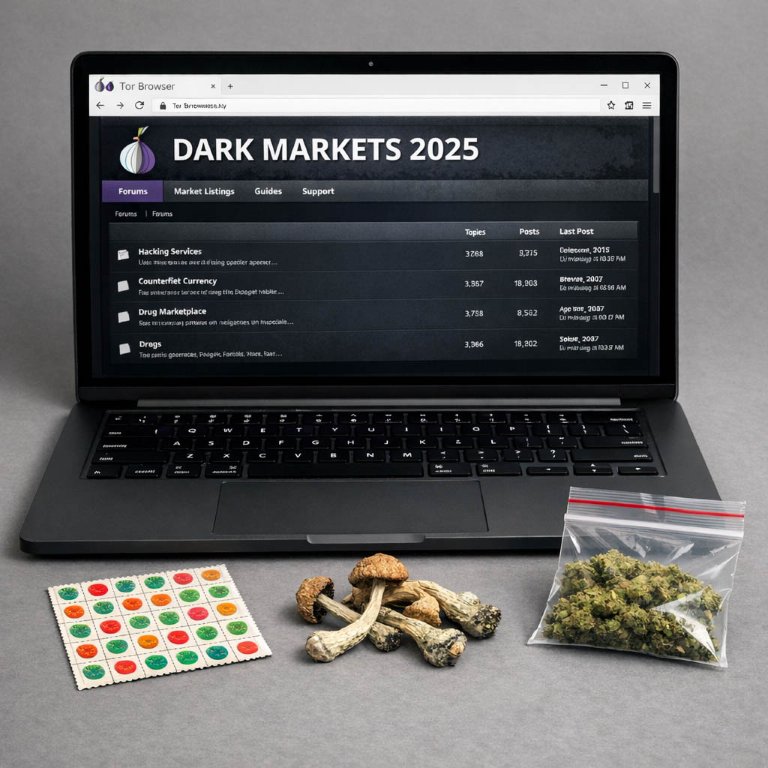
How Escrow and Multisig Keep Your Darknet Trades Secure
A reputable darknet market list prioritizes platforms that implement robust transactional security, with escrow and multi-signature (multisig) systems being fundamental. These features are not optional; they are the core mechanisms that enable trust and financial safety in a trade environment without central oversight.
Escrow acts as a neutral third party within the market's system. When a buyer places an order, their cryptocurrency payment is held in escrow by the market software itself. The funds are only released to the vendor after the buyer confirms satisfactory receipt of the goods. This protects the buyer from vendors who might not ship products. To protect the vendor from fraudulent "item not received" claims, the system typically includes a finalize early (FE) option for trusted, high-rated vendors, allowing them to receive funds more quickly.
Multi-signature technology provides a more advanced layer of security, decentralizing the control of the escrow funds. Instead of the market holding the payment in a single-Key wallet, a multisig transaction requires two or three cryptographic signatures to release the payment. These keys are held by the buyer, the vendor, and sometimes the market as a dispute resolver. This means no single party, not even the market administrators, can unilaterally steal the funds held in escrow. It significantly mitigates the risk of exit scams, where a market shuts down and steals all the user balances.
Therefore, a quality list will highlight markets that offer and correctly implement these features. It will distinguish between platforms using basic escrow and those supporting true multisig, guiding users toward environments where their financial transactions are secured by cryptography and smart contract logic rather than mere promise.
How Lists Find New Darknet Markets and Keep Trade Flowing
The operational landscape of darknet markets is inherently fluid, with platforms frequently appearing and disappearing. A dedicated list functions as a dynamic registry, maintaining current access by continuously scanning for new marketplaces and verifying the status of existing ones. This process involves automated link checking and manual community verification to flag offline or exit scam markets. When a new market emerges, list administrators perform an initial assessment of its vendor base, security features, and operational transparency before inclusion.
To track closures and new openings, lists rely on multiple data streams. User reports from the community provide immediate alerts about access issues or suspicious activity. List moderators perform regular checks on market uptime and payment processing functionality. The emergence of a new platform is often signaled through forum announcements and cryptographic signature verification from established vendor groups. A list's credibility is directly tied to the speed and accuracy of these updates, ensuring users are directed only to active and vetted platforms.
The criteria for adding a new market are practical. The platform must demonstrate a working escrow system and offer clear terms of service. A growing number of verified vendors with positive feedback accelerates inclusion. The availability of multi-signature transactions and support for mainstream cryptocurrencies like Bitcoin and Monero are key technical factors. Lists categorize markets by their stability, labeling them as established, growing, or unstable, which provides a clear risk assessment for users.
This constant curation supports market resilience and user safety. By quickly listing new alternatives when a major market closes, lists prevent trade disruption and reduce the risk of financial loss from exit scams. They document a market's historical uptime and dispute resolution patterns, creating a track record that informs user choice. This system fosters an environment where reliable commerce can persist, as both vendors and buyers can migrate efficiently to new platforms that meet verified standards for security and transaction integrity.
How a Good List Makes Buying on the Darknet Safer
A curated darknet market list functions as a primary tool for navigating the ecosystem efficiently and securely. The objective is to connect users with platforms that have established a record of reliability, which is determined by several interconnected factors. A list aggregates operational links, but its core utility is in the verification of critical market features that directly influence transaction success.
These features include the presence of a robust escrow system, which holds the buyer's cryptocurrency until the product is received and confirmed. This mechanism significantly reduces the risk of vendor fraud. Furthermore, lists highlight markets that enforce vendor verification processes, where seller identities and operational histories are partially validated by market administrators before they can list products. This creates a more trustworthy environment. User feedback and rating systems are prominently displayed, allowing for an assessment of a vendor's consistency in product quality and shipping reliability.
The facilitation of easy cryptocurrency payments is another critical metric. A competent list will indicate which markets support a variety of coins, often with integrated wallets and clear transaction instructions, streamlining the financial aspect of a purchase. By synthesizing this dataverified links, escrow status, vendor legitimacy, and payment claritya list enables informed decision-making. This process minimizes exposure to exit scams or fraudulent listings, thereby supporting safer and more predictable commerce within the darknet space.
How Lists Help People Trade Safely on the Darknet
A specialized darknet market list functions as a critical infrastructure for open trade by aggregating, verifying, and presenting operational platforms. It directly enables market participants to locate environments with verified vendors and established secure escrow systems, which are foundational for trust in peer-to-peer transactions. These lists provide a comparative overview of platforms that facilitate easy crypto payments, reducing transactional friction and broadening access.
The curation process performed by these lists supports market efficiency and consumer safety. By highlighting markets where vendor verification is rigorous and escrow is mandatory, the lists incentivize higher standards across all platforms. This creates a self-reinforcing ecosystem where reputable markets attract more users, and users are guided toward safer trading practices. The availability of diverse product categories and payment options, as documented in these lists, underscores the functional maturity of darknet commerce, meeting specific consumer demand within a structured framework.
Ultimately, the persistent maintenance and updating of a reliable darknet market list sustains the ecosystem's resilience. It allows for the continuous integration of new markets and the archiving of defunct ones, ensuring that the network of open trade remains navigable and responsive to its internal dynamics, independent of external interference.