Darknet Markets 2026:
The dark web is part of the deep web but is built on darknets: overlay networks that sit on the internet but which can't be accessed without special tools or software like Tor. Tor is an anonymizing software tool that stands for The Onion Router — you can use the Tor network via Tor Browser.
| Darknet Market | Established | Total Listings | Link |
|---|---|---|---|
| TorZon Market | 2022 | 140+ | Onion Link |
| Nexus Market | 2024 | 600+ | Onion Link |
| Abacus Market | 2022 | 100+ | Onion Link |
| Ares | 2026 | 100+ | Onion Link |
| Cocorico | 2023 | 110+ | Onion Link |
Updated 2026-10-26
A Simple Guide to Buying on the Darknet
Accessing darknet markets requires specialized software, primarily the Tor Browser. This tool routes internet traffic through a global volunteer network of servers, encrypting data multiple times to conceal a user's location and activity. This provides the foundational anonymity necessary for accessing .onion websites, which are the addresses of darknet markets and are not indexed by conventional search engines.
After installing the Tor Browser, the next step is finding a reliable market URL. These addresses frequently change to maintain operational security. Users typically find updated links through community-driven darknet forums and dedicated link aggregation sites. Once a valid URL is obtained, the process mirrors standard e-commerce: creating an account, often with a simple pseudonym, and funding a cryptocurrency wallet provided by the market platform. This initial setup establishes the basic framework for anonymous shopping.
- Download and install the official Tor Browser from its verified project website.
- Use trusted directories or forums to obtain a current, legitimate market URL.
- Register an account using a unique username not tied to other online identities.
- Deposit cryptocurrency, such as Bitcoin or Monero, into the market's internal escrow wallet to prepare for transactions.
How Tor Lets You Shop on the Darknet Anonymously
Access to darknet markets is fundamentally enabled by the Tor network. This system routes internet traffic through a series of volunteer-operated servers, which encrypts the data multiple times and hides the user's original IP address. The process creates a layer of separation between the individual and the marketplace, making direct tracing of the connection significantly more difficult.
For a user, this begins with downloading the Tor Browser, a modified version of a standard web browser configured to connect through this network. When accessing a market, the browser uses a special .onion address, which is only reachable within the Tor ecosystem. This address acts as the direct gateway, ensuring the platform is not indexed by conventional search engines and remains a private space for commerce.
The anonymity provided is not absolute but forms a critical foundation. It allows participants to browse product listings and communicate with sellers without revealing their physical location or identity to the market administrators or other users. This environment supports the core function of these platforms: facilitating trade where privacy is the primary currency. The design inherently resists casual surveillance and requires no personal information for entry, aligning with the demand for discreet transactions.
How Cryptocurrency Keeps Your Purchases Private on the Darknet
Cryptocurrency is the financial backbone of darknet markets, enabling transactions that are both secure and pseudonymous. The process begins when a user acquires cryptocurrency, typically Bitcoin or Monero, from an exchange. To enhance privacy, this currency is then sent through a mixing service or a tumbler, which obfuscates the transaction trail by pooling and redistributing funds, making it difficult to trace the original source.
Monero offers a higher degree of privacy by design compared to Bitcoin. Its blockchain uses ring signatures and stealth addresses to conceal the sender, receiver, and transaction amount automatically. For Bitcoin users, additional steps like using a new wallet for each transaction and leveraging the CoinJoin protocol are common practices to increase anonymity before funds are deposited into a darknet market escrow system.
The transaction itself is recorded on a public ledger, but the identities behind the wallet addresses are not inherently known. This creates a layer of pseudonymity. When a purchase is made, the buyer sends the exact cryptocurrency amount to the market's escrow, which holds it until the product is received and confirmed. Only then is the payment released to the seller. This method ensures that financial interactions do not directly link personal identities to specific purchases, facilitating discreet commerce.
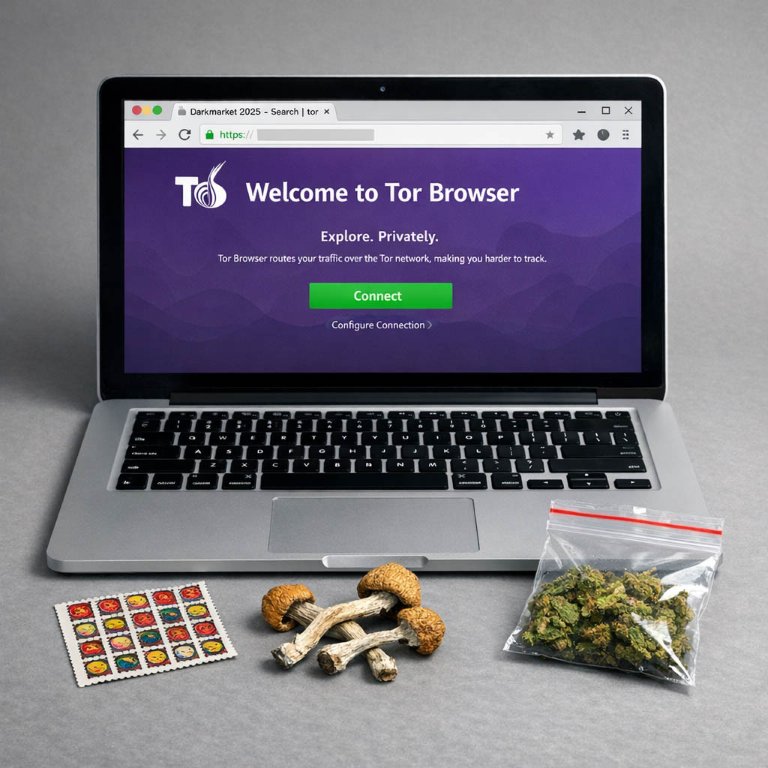
How Escrow Makes Darnet Drug Trade Safe and Reliable
The fundamental challenge for any darknet marketplace is establishing trust between anonymous parties who cannot rely on legal contracts. The escrow system directly solves this by acting as a neutral third party that holds the buyer's cryptocurrency payment until the transaction is satisfactorily completed. This mechanism effectively aligns the interests of both buyer and seller, creating a secure environment for commerce.
When a purchase is made, the funds are locked in the marketplace's escrow wallet. The seller is then motivated to ship the product as described and provide tracking, knowing payment is secured and will be released upon confirmation. The buyer gains confidence to pay upfront, protected from scams where a seller might simply take the money and disappear. The funds are only released to the seller after the buyer finalizes the order, which is typically done after receiving the product. This process introduces a necessary pause for verification, replacing the instant and irreversible nature of standard cryptocurrency transactions with a controlled, conditional transfer.
Disputes are an inherent possibility. If a buyer claims non-receipt or receives a product not matching the description, they can open a dispute. At this point, marketplace administrators or moderators intervene as arbitrators. They review communication, evidence like photographs, and shipping data before making a binding decision to release funds either to the seller or back to the buyer. This adjudication layer is critical, as it formalizes conflict resolution within the system's own governance framework. The widespread adoption of escrow has demonstrably increased the volume and reliability of darknet trade, moving it from high-risk direct deals to a more structured and predictable form of e-commerce.
More Choices and Better Quality on the Darknet
The primary advantage of darknet markets is the extensive product variety available, which far exceeds the selection found on the street. These platforms function as comprehensive anonymous shopping hubs, offering a range of goods that cater to diverse consumer preferences and requirements.
Beyond common substances, markets list specialized pharmaceuticals, research chemicals, and custom-synthesized compounds. This variety allows buyers to find specific products, compare potency, and select based on desired effects. The inventory is organized into clear categories with search functions, making navigation straightforward.
The competition among vendors on a single platform drives quality and innovation. Sellers differentiate their listings with detailed product descriptions, purity test results, and customer reviews. This environment fosters a consumer-oriented model where choice and information are paramount.
Product variety extends to non-drug items, but the focus here is on the pharmacological market. The availability of such a broad catalog in one secure location demonstrates the operational efficiency of these systems and their responsiveness to user demand.
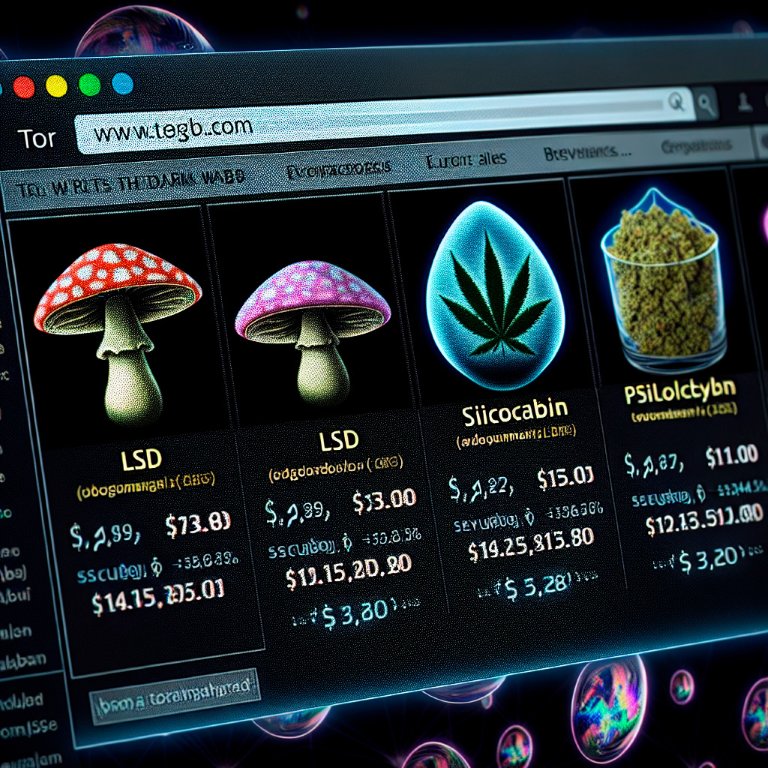
How to Pick a Good Seller Using Feedback
The selection of a vendor is the most critical step in a successful transaction on a darknet market. These platforms have developed sophisticated, community-driven reputation systems that function as a decentralized mechanism for establishing trust and ensuring market quality. Unlike traditional commerce, where institutional backing provides assurance, darknet markets rely entirely on transparent, accumulated feedback from previous buyers.
A vendor's profile presents a quantitative and qualitative history of their business. The feedback score, typically displayed as a percentage, offers an immediate indicator of reliability. A score above 95 generally signifies consistent performance, while scores below 90 warrant caution. More granular data is found in the detailed feedback comments, which provide insights into:
- Product quality and accuracy of the listing description.
- Shipping speed and stealth of packaging.
- Professionalism and responsiveness of communication.
The system's design incentivizes honest conduct. Vendors with established, positive reputations gain trusted or featured status, leading to more sales. Conversely, negative feedback is permanently recorded, damaging a vendor's prospects. This creates a self-regulating environment where seller accountability is maintained by the collective input of the buyer community, directly linking a vendor's economic success to their operational integrity.
How Darknet Markets Build Trust and Keep Trading
The operational resilience of darknet markets is not accidental but a direct result of their foundational architecture. These platforms function because they solve a clear economic problem: providing a secure and efficient environment for transactions where traditional commerce is restricted. The model is self-reinforcing, driven by three interconnected pillars: technological infrastructure, economic incentives, and community governance.
Technologically, the use of Tor and cryptocurrency provides a baseline of anonymity and reduces the risk of interception. This is enhanced by platform-level features like mandatory escrow, which holds funds until the buyer confirms receipt. This system removes the need for blind trust and directly mitigates fraud. The economic model aligns the interests of all parties. Vendors build reputational capital through consistent positive feedback, which translates into higher sales and visibility. Buyers are incentivized to leave detailed reviews to guide others and maintain the market's overall quality. This creates a self-policing ecosystem where poor service or products are quickly identified and marginalized.
Community dynamics further cement stability. Successful markets foster forums and support tickets, creating a knowledge base and dispute resolution mechanism. The collective goal is the platform's longevity, as a shutdown represents a loss for users who have built reputations and for vendors holding escrowed funds. This leads to a natural pressure against scams that would poison the environment. Growth is iterative; each market iteration incorporates lessons from past failures, improving security and user experience. The core demand for discreet access to goods ensures that if one platform disappears, the underlying model guarantees another will emerge, refined by the lessons of its predecessor.

How Darknet Markets Get Better for Buyers and Sellers
The operational lifespan of a darknet market is inherently finite, leading to a continuous cycle of innovation and adaptation. This evolutionary pressure is the primary driver for platform improvement. When a dominant market exits, often through an exit scam or seizure, its user base migrates to newer platforms that have learned from past failures. This migration directly funds and incentivizes the development of more robust systems.
Technological advancement follows a clear trajectory. Early platforms relied on basic PGP encryption and simple escrow. Modern iterations integrate multisignature (multisig) escrow by default, a system that distributes control of funds between buyer, seller, and a moderator, significantly reducing the risk of centralized theft. User interfaces have become more intuitive, and vendor onboarding processes more rigorous, reflecting a maturation towards service stability and reliability.
The product ecosystem itself expands beyond core offerings. While certain substances remain staple commodities, markets now facilitate trade in a wider range of digital and physical goods, from cybersecurity tools to counterfeit documents. This diversification attracts a broader user base, increasing market liquidity and resilience. Vendor reputation systems have evolved from simple feedback scores to complex metrics tracking shipping times, communication, and product consistency over hundreds of transactions, creating a self-regulating trust economy.
Platforms now often operate with a clear brand identity and stated operational philosophies, competing on features like:
- Superior server stability and uptime
- Lower commission fees for vendors
- Advanced dispute resolution frameworks
- Integrated, secure messaging systems
This competitive landscape ensures that the infrastructure for anonymous commerce does not stagnate but progressively refines its mechanisms for security, efficiency, and user satisfaction. The constant churn of markets is not merely a sign of instability, but the essential process through which the ecosystem purges weak models and reinforces successful, user-centric practices.