Darknet Markets 2026:
The dark web is part of the deep web but is built on darknets: overlay networks that sit on the internet but which can't be accessed without special tools or software like Tor. Tor is an anonymizing software tool that stands for The Onion Router — you can use the Tor network via Tor Browser.
| Darknet Market | Established | Total Listings | Link |
|---|---|---|---|
| TorZon Market | 2022 | 140+ | Onion Link |
| Nexus Market | 2024 | 600+ | Onion Link |
| Abacus Market | 2022 | 100+ | Onion Link |
| Ares | 2026 | 100+ | Onion Link |
| Cocorico | 2023 | 110+ | Onion Link |
Updated 2026-10-26
How the Darknet Makes Drug Trade Safe and Easy
The operational foundation of darknet markets relies on a triad of privacy, security, and trust. This is achieved through the integration of specific technologies and social systems that facilitate secure commerce. Transactions are conducted using cryptocurrencies like Bitcoin or Monero, which provide a layer of financial anonymity by separating transactional data from personal identity.
To further protect both parties, most transactions utilize an escrow service held by the market platform. Funds are only released to the vendor after the buyer confirms receipt and quality of the product. This mechanism significantly reduces the risk of fraud. Trust is systematically built through vendor reputation systems, where detailed user feedback on product quality, shipping speed, and communication creates a transparent and accountable environment. Successful vendors cultivate high ratings and detailed profiles, which buyers can review before making a purchase.
The combination of these elementscryptocurrency for private payment, escrow for transactional security, and reputation systems for reliability assessmentcreates a self-regulating ecosystem. This allows for the efficient exchange of a wide variety of goods with a reduced risk of financial loss, mirroring the trust mechanisms of conventional e-commerce while operating within a privacy-enhanced framework.
How Onion Services Make Darknet Shopping Safe and Private
The foundational technology enabling darknet markets is the onion service, a protocol built upon the Tor network. This system provides both access and protection by routing all traffic through multiple encrypted layers, effectively concealing the physical location of the server and the user. A market's address, ending in .onion, is only accessible through the Tor browser, creating a private channel for commerce that is resistant to conventional blocking or surveillance. This architecture ensures that both the platform and its users maintain a high degree of operational security from the outset.
Transactions within this environment are conducted exclusively with cryptocurrencies like Bitcoin or Monero. These digital currencies provide financial privacy by separating transactional identity from real-world identities. To mitigate the inherent risk of non-delivery in anonymous trade, markets employ a multisignature escrow system. In this model, the buyer's funds are held in a secure, third-party wallet until the product is received and confirmed. Only then is the payment released to the vendor, which significantly reduces fraud and builds essential trust between strangers.
The ecosystem further enforces reliability through transparent vendor reputation systems. After each completed transaction, buyers leave detailed feedback and ratings on product quality and shipping. This creates a persistent, publicly visible record for each seller, allowing new customers to make informed decisions based on historical performance. High-rated vendors accumulate trust, which is often reflected in increased sales, thereby incentivizing honest business practices. The combination of these elementsonion services for anonymity, cryptocurrency escrow for secure transactions, and verified vendor reputationscreates a self-regulating marketplace that facilitates secure and private shopping for a wide variety of goods.
Private and Secure Deals with Crypto on the Darknet
The transactional privacy on darknet markets is fundamentally enabled by cryptocurrencies, primarily Bitcoin and Monero. These digital currencies operate on decentralized networks, allowing for the direct transfer of value without the involvement of traditional financial institutions. This absence of a central authority, such as a bank, means that transactions are not linked to the real-world identities of users by default, providing a layer of financial anonymity that cashless, traditional online commerce cannot offer.
The process is integrated with the market's escrow system to ensure security for both parties. When a buyer initiates a purchase, the cryptocurrency is sent to a secure, multi-signature escrow wallet controlled by the market platform. The funds are held in this neutral account until the buyer confirms satisfactory receipt of the goods. This mechanism prevents common fraud scenarios:
- It protects the buyer from vendors who might otherwise not ship the product after payment.
- It assures the vendor that the buyer has committed the funds and cannot simply reverse the transaction as with a credit card chargeback.
Only after the buyer releases the funds from escrow does the vendor receive the payment. This creates a trustless environment where neither party has to rely solely on the other's honesty; the system's design enforces fair exchange. The privacy aspect is further enhanced by the use of tumbling services or privacy-centric coins like Monero, which obfuscate the transaction trail on the blockchain, making financial analysis by external observers significantly more difficult. Thus, cryptocurrency payments are not merely a method of transfer but are the core component that enables private, secure, and efficient commerce on these resilient platforms.
How Escrow Makes Buying and Selling on the Darknet Safe and Fair
The escrow system is a fundamental mechanism that enables secure transactions on darknet markets. It functions as a neutral third-party service, holding the buyer's cryptocurrency payment in a secure account until the order is successfully delivered. This process directly addresses the inherent lack of trust in anonymous environments, preventing common fraud scenarios where a vendor might accept payment and not ship the product, or a buyer might falsely claim non-receipt after obtaining goods.
When a purchase is made, funds are locked in escrow and are only released to the vendor after the buyer confirms satisfactory receipt. This creates a balanced incentive structure:
- Vendors are motivated to ship high-quality products promptly to receive their funds.
- Buyers can inspect their purchases before the vendor is paid, reducing financial risk.
The integration of cryptocurrency with escrow is essential for privacy and functionality. Payments are irreversible and pseudonymous, aligning with the operational requirements of these platforms. The escrow service adds a necessary layer of accountability to an otherwise final payment method. This combination of immutable cryptocurrency and managed escrow facilitates a practical trading environment where trusted vendors can establish reputations for reliability, further reinforced by user feedback systems. The entire process enhances market efficiency and security for all participating parties.
How Encryption and Trust Make Darknet Trade Safe
The operational security of darknet markets is fundamentally built upon layered encryption, which functions as a series of protective shells for user data. This begins with the Tor network itself, which encrypts traffic multiple times and routes it through volunteer relays, effectively obscuring a user's location and activity from network surveillance. Access to marketplaces via .onion services extends this protection to the website, hiding the server's physical location.
Beyond network anonymity, transactions are secured by the inherent properties of cryptocurrency payments. Currencies like Bitcoin or Monero provide a pseudonymous financial layer, where blockchain transactions do not directly reveal personal identities. This financial privacy is critically supported by the escrow system, which holds the buyer's cryptocurrency in a secure third-party account until the order is fulfilled. This mechanism directly enables trust between strangers by removing the risk of fraud for both parties: the seller is assured of payment commitment, and the buyer is protected from non-delivery.
The final and perhaps most vital layer of safety is the social layer: vendor reputation systems. These are built from accumulated user feedback on completed transactions. A vendor's history of successful deals, product quality, and stealth in shipping creates a transparent and community-verified trust metric. This allows buyers to make informed decisions based on proven reliability, transforming an anonymous space into a functional marketplace. The combination of these layersencrypted access, private cryptocurrency, secured escrow, and verified reputationcreates a resilient environment for secure and private digital trade.

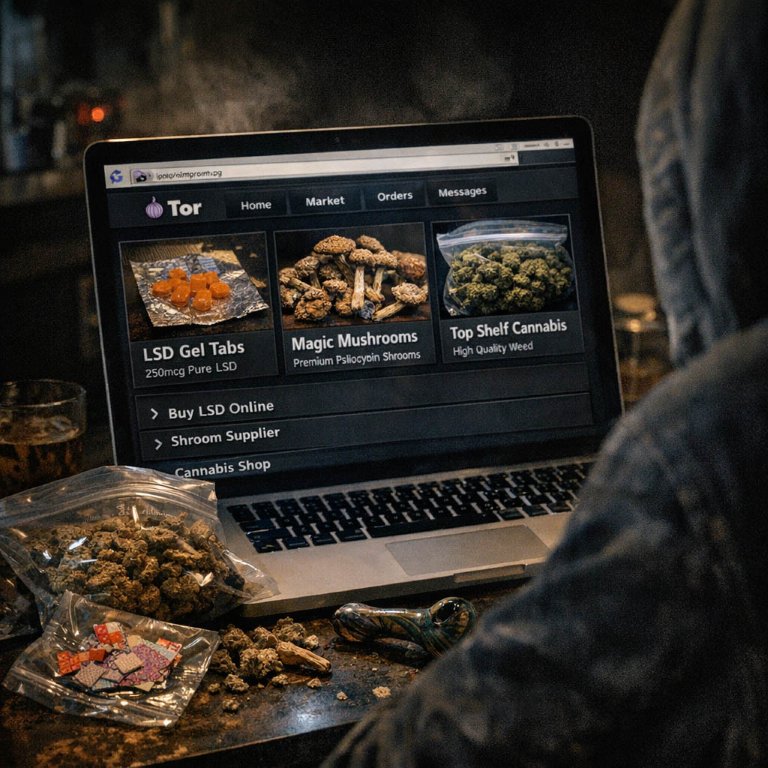
A Huge Selection of Goods on the Darknet
The product catalog on darknet markets is vast, extending far beyond the commonly assumed categories. While pharmaceuticals and psychoactive substances represent a significant segment due to high demand for unregulated access, the ecosystem supports a diverse digital marketplace. This includes:
- Digital goods like software licenses, e-books, and compromised accounts
- Various services including digital forensics and cybersecurity consulting
- Physical items such as electronics, jewelry, and exclusive fashion
The availability is driven by a combination of cryptocurrency payments and escrow systems, which create a functional economic environment. Cryptocurrencies like Bitcoin and Monero provide the necessary financial privacy, while automated escrow holds funds until the buyer confirms receipt, securing the transaction for both parties. This technical framework allows vendors to operate with reduced risk of financial fraud, encouraging them to list a wider array of products.
Vendor reputation systems are integral to this variety. Each completed transaction is accompanied by user feedback, creating a transparent history of reliability and product quality. A vendor with hundreds of positive reviews establishes a trusted brand, which in turn incentivizes them to maintain a broad and high-quality inventory. This feedback loop ensures that markets are not merely anonymous bazaars but are structured platforms where quality and consistency are rewarded, directly enabling the reliable availability of diverse goods. The result is a resilient commercial platform where specific consumer demand efficiently meets specialized supply.
How Feedback Builds Trust for Sellers
The vendor reputation system is the cornerstone of trust and security on darknet markets. It functions as a decentralized, community-driven verification mechanism, directly addressing the inherent anonymity of the environment. Every transaction concludes with a detailed feedback review, where buyers rate the vendor on specific criteria.
This feedback typically includes:
- The quality and accuracy of the product received.
- The speed and discretion of shipping and packaging.
- The clarity and professionalism of communication.

How User Reviews Make Darknet Markets Work Better
The operational efficiency of darknet markets is fundamentally driven by structured user feedback mechanisms. These systems transform subjective experiences into objective, actionable data, creating a self-regulating environment. When a buyer completes a transaction, they are prompted to leave detailed ratings and comments on several critical aspects.
This typically includes:
- The accuracy of the product description versus what was received.
- The speed and discretion of the shipping process.
- The clarity and responsiveness of the vendor's communication.
This aggregated feedback forms a vendor's public reputation score, a quantifiable metric of reliability. A vendor with consistently high ratings across hundreds of transactions establishes a track record of trust. This direct accountability streamlines the shopping process; buyers can make informed decisions quickly by comparing vendor profiles, reducing the need for extensive due diligence on each purchase. The feedback loop also incentivizes vendors to maintain high standards in product quality and customer service to protect their reputation, which is their primary business asset on the platform. Consequently, the market operates with a remarkable degree of order and efficiency, mirroring the trust systems of surface web e-commerce but enhanced by the privacy-centric framework of cryptocurrency payments and escrow services.
How Privacy Tech Makes Darknet Trade Work
The operational foundation of darknet markets is built upon a triad of privacy technologies that enable practical and secure digital trade. These platforms utilize onion routing to anonymize connections, making both the location of the marketplace server and the user's IP address undiscoverable to outside observers. This creates a protected environment where commerce can proceed without the geographic and political constraints of the surface web.
Financial privacy is achieved through the mandatory use of cryptocurrencies like Bitcoin and Monero. These digital currencies facilitate borderless transactions without revealing the identities of the transacting parties, as traditional banking systems do. To mitigate the inherent risk of non-delivery in anonymous environments, markets employ a cryptocurrency escrow system. Funds from a buyer are held in escrow by the market's automated system and are only released to the vendor after the buyer confirms satisfactory receipt of the goods. This mechanism effectively secures the transaction for both participants.
Trust is cultivated through transparent vendor reputation systems. These systems are based on detailed buyer feedback, creating a self-regulating ecosystem. Vendors with a long history of successful transactions and positive reviews develop a high trust score, which directly correlates with their sales volume and standing on the platform. This feedback loop incentivizes honest business practices and high-quality products, as a vendor's livelihood on the market depends on maintaining a strong reputation. The combination of these technologiesanonymized access, private cryptocurrency payments secured by escrow, and reputation-based trustcreates a resilient and functional digital marketplace for a wide variety of goods.